


Skin Brightening IV Drip: What's in Our Skin Glow IV and What It Can Do
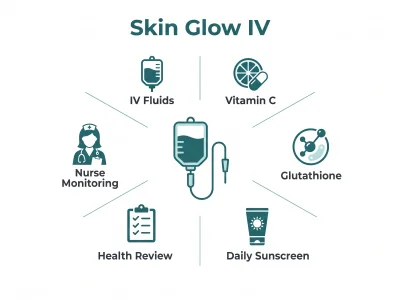
A skin brightening IV, often called a skin glow IV, delivers vitamin C and glutathione through a small IV in a vein. Vitamin C is an antioxidant that helps protect cells from damage, and your body needs it to make collagen. Glutathione is an antioxidant your body makes naturally, and it is widely promoted for skin lightening, but study results are variable and IV use has raised safety concerns. There are no FDA-approved glutathione products in the United States, and 2026 reports linked some injectable glutathione made from supplement-grade ingredients to serious reactions. Fading dark spots starts with daily broad-spectrum sunscreen and finding the cause.
What Is a Skin Brightening IV?
A skin brightening IV is an infusion of antioxidants given through a small IV in your arm. Because it goes straight into a vein, the nutrients reach your bloodstream directly and bypass your digestive system. Our Skin Glow and Brightening IV is one of several IV nutrient therapy options at Renew Integrative Health in Newark, Delaware.
People usually ask about a glow IV drip for an even skin tone, dark spots or a brighter complexion. We want you to know up front what the research does and does not show, so this page covers both the ingredients and their limits.
What “Brightening” Means
Skin lightening products are often marketed with words like bleaching, fading, evening, brightening or whitening, and they are promoted for uneven skin tone, age spots, freckles and wrinkles. “Brightening” is one of those marketing words, so it is worth asking what a product has actually been shown to do.
What’s in the Skin Glow and Brightening IV?
Our Skin Glow and Brightening IV contains:
- Vitamin C
- Glutathione
- Sterile water
Vitamin C
Vitamin C is an antioxidant that helps protect your cells from damage caused by free radicals, which form when your body turns food into energy and from exposures such as cigarette smoke, air pollution and ultraviolet light from the sun. Your body also needs vitamin C to make collagen, a protein required for wound healing.
Vitamin C From Food
Most people in the United States get enough vitamin C from foods and drinks. Adult women need 75 mg a day and adult men need 90 mg, and people who smoke need 35 mg more, because smoke increases the amount the body uses to repair free radical damage. Citrus fruits, red and green peppers and kiwifruit are rich sources, and broccoli, strawberries, cantaloupe, baked potatoes and tomatoes add more. Long storage and cooking can lower the vitamin C in food.
True vitamin C deficiency is rare in the United States. People who get very little vitamin C for many weeks can develop scurvy, which causes fatigue, inflamed gums, small red or purple spots on the skin, joint pain, poor wound healing and corkscrew hairs.
Vitamin C given through an IV can raise blood levels far higher than vitamin C taken by mouth.
Glutathione
Glutathione is an antioxidant that occurs naturally in your body. Taken by mouth, it is poorly absorbed and broken down in the digestive tract, which is one reason people seek it by IV. Learn more about it on our glutathione IV therapy page.
Antioxidants From Food
Antioxidants are also found in many foods, especially fruits and vegetables. A diet rich in vegetables and fruits is healthy and lowers the risk of certain diseases, although it is not clear whether that is because of the antioxidants or other parts of the food. High-dose antioxidant supplements may carry health risks in some cases and can interact with some medicines, so tell us about any supplements you take.
What a Skin Glow IV Can and Cannot Do
A skin glow IV delivers vitamin C and glutathione, two antioxidants your body uses. It cannot erase dark spots, scars or wrinkles, and it is not a replacement for sun protection or dermatology care.
What the Research Says About Glutathione and Skin
Glutathione is widely promoted for skin lightening, but study results are variable and there is no standardized dose. IV glutathione has raised safety concerns, including liver damage and severe allergic reactions. In one study of IV glutathione for skin, about a third of participants had side effects, including liver problems and one case of anaphylaxis. The Philippine FDA has warned against using IV glutathione for skin lightening.
Common Causes of Dark Spots
Sunlight triggers your skin to make more melanin, the pigment that gives skin its color, and tanning beds can give off even stronger ultraviolet rays than the sun. Melasma, a common cause of brown or gray-brown patches, is thought to be triggered by rising estrogen and progesterone during pregnancy, and birth control pills and medicines that make your skin more sensitive to sunlight can also play a role. Thyroid problems may raise the risk. Melasma is much more common in women, especially between ages 20 and 40, and in people with medium or dark skin tones or a blood relative who has it.
What Fades Dark Spots
Effective treatment for dark spots begins with sunscreen. Use a broad-spectrum sunscreen with SPF 30 or higher every day, a tinted formula with iron oxide if you have darker skin, and reapply every two hours and after swimming or sweating. Finding the cause of your dark spots matters too, because many spots clear on their own once the cause is removed.
Products that may help fade dark spots or even out skin tone include azelaic acid, glycolic acid, kojic acid, retinoids and topical vitamin C. A spot a few shades darker than your natural skin tone usually fades within 6 to 12 months, while deeper discoloration can take years. If what you are using is not working, a dermatologist can help.
Avoid Risky Skin Lightening Products
Some skin lightening creams sold online or in stores contain hydroquinone or mercury. Over-the-counter hydroquinone products are not FDA-approved, and mercury is banned in these products. Check labels for mercury listed as mercurous chloride, calomel, mercuric, mercurio or Hg, and avoid products with handmade labels, no label or a label in a language you cannot read. Never put liquid bleach on your skin, because it is a harmful treatment. If a skin product gives you a bad reaction, contact your provider.
Is a Glutathione IV Safe?
There are no FDA-approved glutathione products in the United States, so IV glutathione is prepared by compounding pharmacies. In 2026, more than 25 people in at least four states became sick after injectable glutathione, and at least three were hospitalized after IV glutathione. The illnesses were likely linked to endotoxins, harmful substances made by certain bacteria, and every implicated product was made with glutathione intended for dietary supplements rather than injections.
Questions to Ask Before Any Glutathione Infusion
Before you receive injectable glutathione anywhere, including with us, it is reasonable to ask:
- Was the product made with ingredients intended for injection?
- Are there non-injection options?
- Who compounded it, and what steps ensured it is sterile with low endotoxin levels?
Contact your provider promptly if you develop fever, chills, body aches, headache, nausea, dizziness or a reaction at the injection site after a glutathione infusion. Get emergency care for trouble breathing, fainting or signs of shock. You can also report a reaction to your provider and to the FDA through its MedWatch program, online or by calling 1-800-FDA-1088.
Vitamin C Safety
Too much vitamin C can cause diarrhea, nausea and stomach cramps. If you have hemochromatosis, a condition in which the body stores too much iron, high doses of vitamin C could worsen iron overload, so tell us about it before your visit.
IV Therapy Risks
IV therapy is a medical procedure. Possible risks include infection, bruising, blocked veins, nausea or dizziness from too much of a vitamin, and interactions with medications. IV vitamin therapy is not advised for people with heart disease, high blood pressure or kidney disease, or for people who are pregnant.

What to Expect During a Skin Glow IV
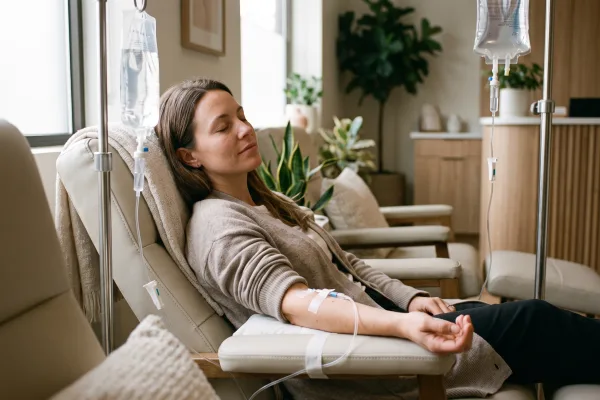
Your visit starts with a review of your medical history and vital signs. A registered nurse then places a small IV in a vein in your arm, and the infusion begins. As with any needle stick, you may feel a slight pain or sting when the IV goes in.
You relax in a comfortable reclining chair while the drip runs, and the nurse checks on you throughout. When it is finished, the IV comes out and you get a small bandage.
How to Prepare for Your Appointment
Before your infusion, it is best to be well hydrated, and wear a top with sleeves you can push up. Sometimes a hydration IV is started before the vitamins are added. A complete medical evaluation with baseline vitamin levels can help customize infusions, but it is not necessary for standard infusions. Tell us about any medications, supplements, allergies or health conditions so a trained healthcare professional can review the risks and benefits with you.
Skin Glow IV FAQs
Does a Glow IV Drip Work?
A glow IV drip delivers vitamin C and glutathione, but glutathione study results for skin are variable and there is no standardized dose. Daily sunscreen and finding the cause of dark spots are the proven first steps.
What Is in a Skin Brightening IV?
Our Skin Glow and Brightening IV contains vitamin C and glutathione in sterile water.
Can IV Glutathione Lighten Skin?
Glutathione is widely promoted for skin lightening, but results are variable, there is no standardized dose, and IV use has been linked to side effects including liver problems and severe allergic reactions.
Is IV Vitamin C Better Than Topical Vitamin C for Dark Spots?
IV vitamin C raises blood levels more than vitamin C taken by mouth, but topical vitamin C is among the ingredients that may help fade dark spots.
Is a Skin Glow IV Safe During Pregnancy?
IV vitamin therapy is not advised during pregnancy. Talk with your provider about safe skin care options while you are pregnant.
Where Can I Get a Skin Glow IV Near Me?
If you are searching for a skin glow IV near me in Delaware, Renew Integrative Health in Newark offers the Skin Glow and Brightening IV in our office. Our holistic medicine practitioner, Andrea Dean, CRNP, and our nursing team will review your health history before your drip.
Looking for a skin brightening IV in Newark or elsewhere in Delaware? Our nurse practitioner can review your health history and help you decide whether it fits your skin goals. Book your consultation below.