


Lyme Disease Signs and Treatment: Bullseye Rash, Testing and Recovery
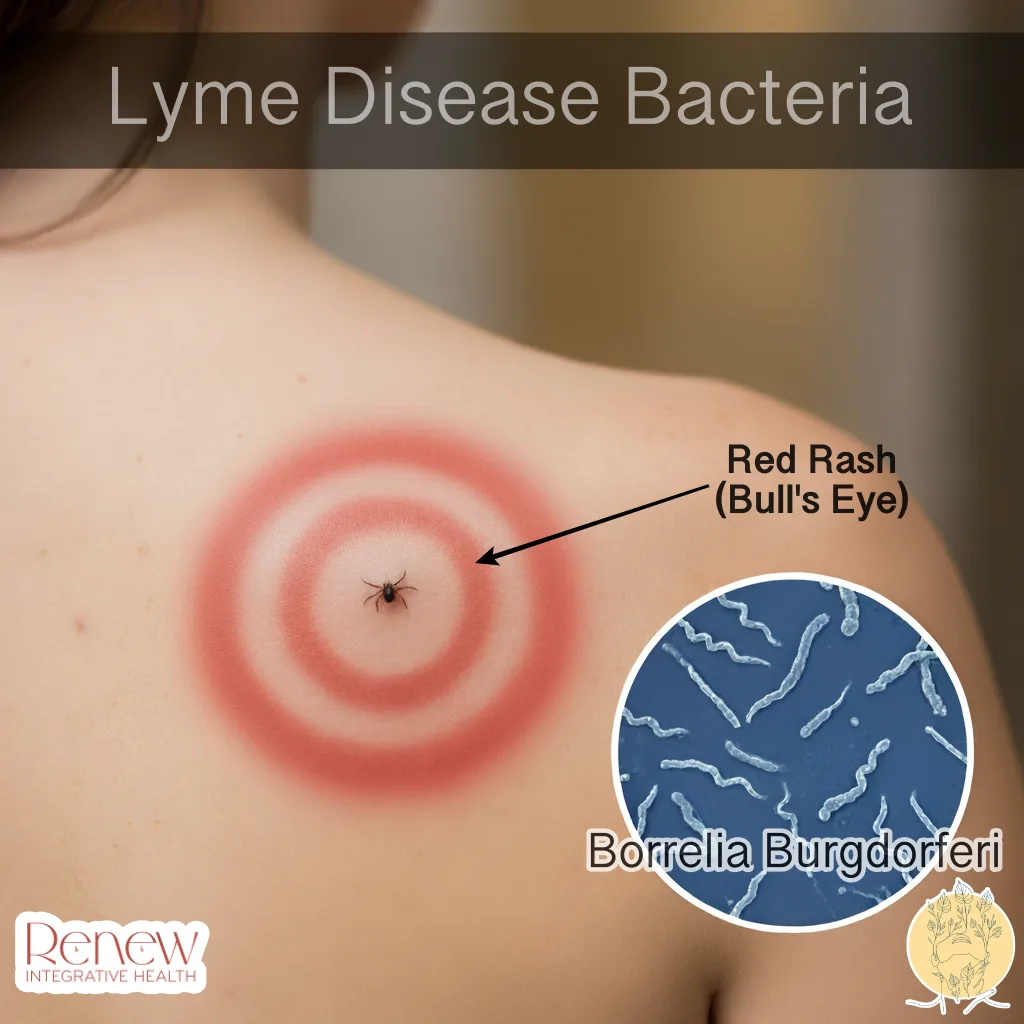
Lyme disease is a bacterial infection caused by Borrelia burgdorferi and spread through the bite of infected blacklegged ticks. Early signs, 3 to 30 days after a bite, include fever, chills, headache, fatigue and muscle and joint aches, along with an expanding red rash called erythema migrans that sometimes looks like a bull’s-eye. If left untreated, the infection can spread to the joints, heart and nervous system. Diagnosis is based on symptoms, physical findings and the chance of tick exposure, with antibody blood tests that can be negative in the first few weeks. Most cases are treated with 10 days to 4 weeks of antibiotics, and people treated early usually recover rapidly and completely.
What Is Lyme Disease?
Lyme disease is a bacterial infection spread to people through the bite of blacklegged ticks. It is most common in the Northeast, mid-Atlantic and upper Midwest, which puts Delaware and its neighbors squarely in Lyme country. Typical symptoms include fever, headache, fatigue and a characteristic skin rash, and if the infection is left untreated, it can spread to the joints, the heart and the nervous system.
Borrelia Burgdorferi and How Lyme Disease Spreads
In the United States, Lyme disease is caused by the bacterium Borrelia burgdorferi and, rarely, Borrelia mayonii. In the East, the blacklegged tick, also called the deer tick, carries the infection. Ticks pick up the bacteria as larvae or nymphs when they feed on an infected animal, usually a rodent, and then pass it on at their next blood meal. Deer feed ticks, but deer are not infected and do not infect ticks.
Nymphs are about the size of a poppy seed and adults about the size of a sesame seed, which is why many people never see the tick that bit them. Nymphs are most active from April through July. In most cases, a tick must be attached for more than 24 hours before it can pass on Lyme bacteria, so removing a tick within 24 hours greatly lowers your chances of getting Lyme disease.
After a Tick Bite: How to Remove a Tick
Remove an attached tick as soon as possible, and don’t wait for a healthcare visit to do it.
- Grasp the tick as close to the skin as you can with clean, fine-tipped tweezers.
- Pull upward with steady, even pressure. Don’t twist or jerk the tick.
- Put the live tick in a sealed container, wrap it tightly in tape, put it in alcohol or flush it. Never crush it with your fingers.
- Clean the bite and your hands with soap and water, rubbing alcohol or hand sanitizer.
- Check the rest of your body for more ticks.
Skip petroleum jelly, heat and nail polish, which can agitate the tick. If you get a rash or fever within several weeks of a tick bite, see your provider and tell them when and where the bite happened.
Andrea Dean, CRNP, explains why a negative Lyme test does not always end the conversation, in this YouTube Short.
Lyme Disease Symptoms
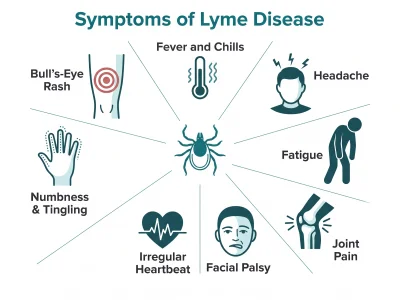
Untreated Lyme disease can cause a wide range of symptoms depending on the stage of infection. Get medical care if you notice any of the symptoms below and you have had a recent tick bite, live in an area where Lyme disease is common or recently traveled to one.
Bullseye Rash (Erythema Migrans)
The erythema migrans, or EM, rash appears in about 70 to 80 percent of infected people. It starts at the site of the tick bite 3 to 30 days later, about 7 days on average, and slowly expands over several days, sometimes to 12 inches or more across. It may feel warm but is rarely itchy or painful. As it grows, the center sometimes clears, creating the classic bull’s-eye look, but many Lyme rashes do not look like a bull’s-eye at all, and the rash can show up anywhere on the body.
A small red bump that appears right away at the bite, like a mosquito bite, is common and usually fades in 1 to 2 days. That is not a sign of Lyme disease.
Early Signs of Lyme Disease
In the first 3 to 30 days after a tick bite, you may have:
- Fever and chills
- Headache
- Fatigue
- Muscle and joint aches
- Swollen lymph nodes
These symptoms can happen with or without the rash.
Later Signs: Lyme Arthritis, Facial Palsy and Lyme Carditis
Days to months after a tick bite, untreated Lyme disease can cause:
- Severe headaches and neck stiffness
- More EM rashes on other parts of the body
- Facial palsy, a droop on one or both sides of the face
- Arthritis with severe joint pain and swelling, especially in the knees and other large joints
- Pain that comes and goes in tendons, muscles, joints and bones
- Heart palpitations or an irregular heartbeat, called Lyme carditis
- Dizziness or shortness of breath
- Inflammation of the brain and spinal cord
- Nerve pain, shooting pains, numbness or tingling in the hands or feet
Lyme Disease Testing
Diagnosing Lyme disease means looking at the whole picture: your symptoms, the chance you were exposed to infected ticks, other illnesses that could cause similar symptoms and, when needed, lab tests. Standard testing uses FDA-cleared antibody blood tests in a two-step process.
Antibody tests have limits worth knowing. It can take several weeks after infection for your immune system to make enough antibodies to show up, so tests can be falsely negative in the first few weeks, often right when the rash is present. FDA-cleared tests have good sensitivity after 4 to 6 weeks. Once your blood tests positive, it usually stays positive for months to years, even after the bacteria are gone, so a positive result alone does not mean you still have an active infection.
That is why a test result never stands alone with us. When results and symptoms don’t match, we talk through further testing options, including specialty lab panels, what each one can and cannot tell us and what it costs. Some specialty tests are not FDA-cleared, and costs range from about $200 for a single infection to several thousand dollars for a full panel, so we decide together whether a test is worth it for you.
Lyme Disease Co-Infections: Anaplasmosis, Babesiosis and Bartonella
Blacklegged ticks can spread more than one infection, and having two at once is called a co-infection. The most common co-infection with Lyme disease is anaplasmosis, which shows up in up to about 10% of people with Lyme disease. Lyme disease and anaplasmosis are treated with the same antibiotic.
Babesiosis is caused by a parasite that infects red blood cells, and it is spread mainly by blacklegged ticks. Many people have no symptoms, while others get flu-like symptoms such as fever, chills, sweats, headache, body aches, nausea and fatigue. It is treated with different medicines than Lyme disease and can be serious for people without a spleen, with a weak immune system, with liver or kidney disease or over age 50. Other less common co-infections include Powassan virus disease and hard tick relapsing fever.
Bartonella is often discussed alongside Lyme disease, but there is no evidence that it is spread by ticks, so we look at your full history before testing for it.
Lyme Disease Treatment
Most cases of Lyme disease can be treated with 10 days to 4 weeks of antibiotics, and people treated with the right antibiotics early usually recover rapidly and completely. Early diagnosis and proper treatment can help prevent more severe disease. Most people treated in later stages also respond well, although some may have lasting damage to the nerves or joints.
Lyme Disease Antibiotics
The antibiotics most often used for Lyme disease are doxycycline, amoxicillin and cefuroxime axetil. Which one you take, and for how long, depends on your symptoms, age, allergies and whether you are pregnant. In certain cases, a single dose of doxycycline after a tick bite in an area where Lyme disease is common may lower the risk of getting Lyme disease, so ask about it soon after a bite. Antibiotics absolutely have their place, especially for an acute infection.
Chronic Lyme and Lingering Symptoms
After antibiotic treatment, some people have prolonged symptoms of fatigue, body aches or difficulty thinking. Six months after treatment, these symptoms are 5 to 10% more common in people who had Lyme disease than in people who did not. The cause is not known, and similar symptoms have been reported after other infections, including COVID-19.
Most people with these lingering symptoms get better over time without more antibiotics, though it can take many months to feel fully well. Extended antibiotic treatment has generally been found no better than placebo for these symptoms, and long-term antibiotic use has been linked to serious complications such as sepsis and colitis. Fatigue, body aches and brain fog also have many other possible causes, including other infections, medicines, depression, diabetes and cancer, so a careful look at all of them matters.

How We Support Lyme Recovery at Renew
Lyme disease care at Renew Integrative Health is patient-centered and specific to you. We consider ILADS treatment guidelines, and the most important part of care is careful assessment and reassessment of your full clinical picture, both at the start and if symptoms persist or come back.
Alongside standard treatment, we focus on supporting your body while it recovers, looking at inflammation, hormone balance, immune function and detoxification pathways. Depending on what we find, your plan may include herbal protocols, nutrition and lifestyle support, IV nutrient therapy or bioidentical hormone therapy. Herbal protocols take more time, and insurance does not cover herbal tinctures, so we go over the cost before you start.
How to Prepare for Your Appointment
Before your first visit, complete your medical history, diet log and current symptoms through our patient portal, along with the previous two years of medical testing, including any Lyme or tick-borne disease test results. Note when and where you think you were bitten, any rash you had and every treatment you have tried. We offer in-person visits at our Newark, Delaware office and virtual consultations across the United States.
Lyme Disease FAQs
Is Lyme Disease Curable?
Yes, in most cases. Most Lyme disease is treated with 10 days to 4 weeks of antibiotics, and people treated early usually recover rapidly and completely. Some people have lingering fatigue, aches or trouble thinking after treatment, which usually improves over time.
How Long After a Tick Bite Do Lyme Symptoms Start?
Early symptoms, including the EM rash, usually start 3 to 30 days after a tick bite, with the rash appearing about 7 days after the bite on average. Later symptoms can show up days to months after the bite.
Can You Get Lyme Disease Years After a Tick Bite?
Later signs of untreated Lyme disease can appear months after a bite, and many people never notice the tick or the rash. If you have unexplained joint swelling, facial palsy, heart rhythm changes or nerve symptoms, tell your provider about any past tick exposure, even from long ago.
Does Every Tick Bite Cause Lyme Disease?
No. The share of infected ticks ranges from none to over 50% depending on the area and life stage, and in most cases a tick must be attached for more than 24 hours to pass on Lyme bacteria. Removing ticks quickly greatly lowers your risk.
Should I Get the Tick Tested?
Tick testing is generally not recommended. A positive result does not mean you were infected, a negative result can give false reassurance and symptoms often appear before results come back. Watch for a rash or fever over the next several weeks instead.
Where Can I Get Lyme Disease Care Near Me?
If you are looking for Lyme disease care near Newark, Delaware, or a virtual visit from anywhere in the United States, our holistic medicine practitioner, Andrea Dean, CRNP, reviews your history, tests and symptoms and builds a plan around you. Learn about other conditions we treat, including mold toxicity and fibromyalgia and chronic fatigue.
Looking for Lyme disease care in Newark, Delaware, or a virtual visit from anywhere in the United States? Our nurse practitioner can review your symptoms, history and test results with you. Book your consultation below.