


Sex Hormone Imbalance Symptoms in Women and Men
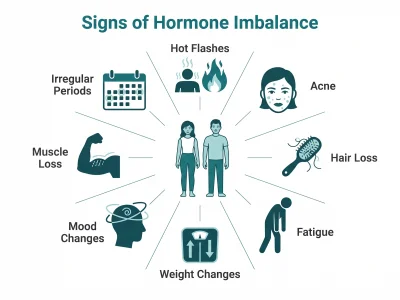
A hormonal imbalance happens when you have too much or too little of one or more hormones. The main sex hormones are estrogen and progesterone, made mostly by the ovaries, and testosterone, made mostly by the testes. In women, a sex hormone imbalance can cause irregular or heavy periods, hot flashes, vaginal dryness, acne, excess body hair, hair loss, infertility and low sex drive. In men, it can cause erectile dysfunction, loss of muscle mass, loss of body hair, enlarged breast tissue, infertility and low sex drive. Hormones naturally shift during puberty, pregnancy and menopause, and stress, medicines and medical conditions can also play a role. Diagnosis usually starts with blood tests.
What Is a Sex Hormone Imbalance?
A hormonal imbalance happens when you have too much or too little of one or more hormones. Hormones are powerful signals, and even slightly too much or too little of some of them can cause major changes in your body. Some imbalances are temporary and go away on their own, while others are long term. Some need treatment to protect your health, and others mainly affect your quality of life.
Sex Hormones: Estrogen, Progesterone and Testosterone
Hormones are your body’s chemical messengers. They travel in your bloodstream to tissues and organs and affect growth, metabolism, sexual function, reproduction and mood. In women, the ovaries make estrogen and progesterone, and women also make small amounts of testosterone and other androgens. In men, the testes make testosterone. Your body makes more than 50 different hormones, so symptoms depend on which ones are off and in which direction.
Hormone Imbalance Symptoms
Many of these symptoms can have other causes too, so new, persistent symptoms are always worth checking, whatever you think the cause might be.
Hormone Imbalance Symptoms in Women
- Irregular or heavy periods
- Hot flashes
- Vaginal dryness or vaginal atrophy
- Acne on the face, chest or upper back
- Excess body hair, called hirsutism
- Hair loss
- Infertility
- Loss of interest in sex
Hormone Imbalance Symptoms in Men
- Erectile dysfunction
- Loss of muscle mass
- Decrease or loss of body hair
- Enlarged breast tissue, called gynecomastia
- Infertility
- Loss of interest in sex
Low testosterone in men, called hypogonadism, can also cause weakness and osteoporosis. Learn more on our andropause page.
Common Sex Hormone Imbalances
Sex hormones work as a team, so the pattern of symptoms often points to which hormone is out of balance.
Low Estrogen Symptoms
After puberty, low estrogen in women can cause decreased sex drive, difficulty concentrating, dry skin, headaches before or during your period, hot flashes and night sweats, irregular or missed periods, moodiness and irritability, painful sex, vaginal dryness and trouble sleeping. Falling estrogen is a normal part of menopause.
High Estrogen Symptoms and Estrogen Dominance
Estrogen and progesterone work together to keep the lining of the uterus from getting too thick. If your body makes too much estrogen or not enough progesterone, it can lead to unopposed estrogen, which some healthcare providers call estrogen dominance. High estrogen in women can cause breast swelling and tenderness, decreased sex drive, fatigue, fibrocystic breasts, feeling depressed or anxious, light or heavy periods, mood swings, uterine fibroids, worse PMS and weight gain mainly in the waist, hips and thighs. In men, high estrogen can cause decreased sex drive, dry skin, enlarged breasts, erectile dysfunction and infertility.
Low Progesterone Symptoms
Progesterone thickens the lining of the uterus, helps regulate bleeding during your period and supports early pregnancy. If you are not pregnant, low progesterone can cause irregular periods, difficulty conceiving, mood changes, anxiety or depression, trouble sleeping and hot flashes. During pregnancy, low progesterone can make it harder to stay pregnant.
High Testosterone in Women
In adult women, high testosterone can lead to irregular periods, acne, increased body hair and thinning hair. Causes include polycystic ovary syndrome, congenital adrenal hyperplasia and, rarely, ovarian or adrenal tumors. Read more on our PCOS page.
Hormone Conditions We Treat
Each of these pages goes deeper into one part of hormone health, from the adrenal hormone DHEA to PCOS, painful periods, the hormone changes of menopause and aging in men. For hormone treatment itself, see our bioidentical hormone therapy page, and for stress hormones, our cortisol page.
DHEA
DHEA is a hormone made mainly by your adrenal glands, and your body uses it to make testosterone and estrogen. Levels peak in early adulthood and decline with age, and a simple blood test can show where yours are.
Menopause
Menopause is the point when you have gone 12 months without a period. The average age is 52 in the United States, and the transition, often with hot flashes and cycle changes, can last several years.
PMS
PMS is a combination of symptoms many women get a week or two before their period, such as bloating, headaches and moodiness. For some women, symptoms are severe enough to miss work or school.
Andropause
Andropause is a name some people use for the gradual drop in testosterone as men age. It is a slow decline rather than a sudden change, and it may bring a lower sex drive or erection problems.
PCOS
Polycystic ovary syndrome (PCOS) is a hormonal disorder that happens when your ovaries produce too much androgen, a group of hormones typically found in higher amounts in men.
Painful Periods
Dysmenorrhea is the medical term for painful periods, the cramping lower abdominal pain that arrives before or during menstruation.
Cortisol
Cortisol is your body’s primary stress hormone, produced by the adrenal glands to regulate blood sugar, inflammation, sleep cycles and your response to stress.
What Causes Hormonal Imbalance?
Your hormone levels naturally rise and fall throughout your life and even throughout the day. Puberty, pregnancy and menopause bring the biggest shifts. Other common causes of out-of-balance hormones include stress, certain medicines and steroid use, and these imbalances are more likely to be temporary or fixable. Longer-term hormone conditions can come from growths on a gland, damage to a gland or autoimmune conditions.
Some hormone imbalances can also cause weight gain, including low thyroid hormone, too much cortisol and the hormone changes of menopause. Some can cause anxiety, such as too much thyroid hormone or too much cortisol. Learn more on our hypothyroidism vs hyperthyroidism page.
Hormone Imbalance Test
Because your glands release hormones directly into your bloodstream, blood tests are the usual way to check hormone levels. Some hormone levels change a lot during the day, so timing matters, and other tests are sometimes needed. Your medical history, symptoms and a physical exam are part of the picture too.
Hormonal Imbalance Treatment
Treatment depends on what is causing the imbalance. If your hormone levels are lower than normal, the main treatment is hormone replacement therapy, as pills, injections or other forms depending on the hormone. If levels are higher than normal, options depend on the cause and can include medicine, surgery or other treatments. Lifestyle changes, such as managing stress and exercising regularly, can help as well. Many supplements claim to fix hormone imbalances, but few have been proven to help, so talk with us before you start one.

How We Treat Hormone Imbalance at Renew
At Renew Integrative Health, hormone care starts with finding out which hormones are out of balance and why. Your visit includes an extensive history, including family history, a physical examination and lab testing timed to your cycle when that matters.
From there, we build a plan around your results and goals. Depending on what we find, it may include nutrition and lifestyle changes, stress support, prescription treatment or bioidentical hormone therapy, with follow-up testing to adjust the plan as you go. Before your first visit, complete your medical history, diet log and current symptoms through our patient portal, along with the previous two years of medical testing. We offer in-person visits at our Newark, Delaware office and virtual consultations across the United States.
Hormone Imbalance FAQs
What Are the Signs of Hormonal Imbalance?
Common signs in women include irregular or heavy periods, hot flashes, vaginal dryness, acne, excess body hair and low sex drive. In men, common signs include erectile dysfunction, loss of muscle mass, enlarged breast tissue and low sex drive. Fatigue, weight changes and mood changes can also be hormonal.
Can Hormone Imbalance Cause Weight Gain?
Yes. Low thyroid hormone, too much cortisol and the hormone changes of menopause can all contribute to weight gain. Many other factors affect weight too, so unexpected weight gain is worth checking.
Can Hormone Imbalance Cause Anxiety?
Yes. Too much thyroid hormone and too much cortisol can both cause anxiety, and low progesterone can bring mood changes, anxiety or depression. Anxiety has many other causes too, so we look at the full picture.
How Do I Know If My Hormones Are Off?
Symptoms give the first clues, and blood tests confirm which hormones are high or low. Tracking your symptoms and your cycle before your visit makes the results easier to interpret.
Where Can I Find Hormone Care Near Me?
If you are looking for hormone care near Newark, Delaware, or a virtual visit from anywhere in the United States, our holistic medicine practitioner, Andrea Dean, CRNP, reviews your symptoms, labs and history and builds a plan around you. See other conditions we treat.
Looking for hormone imbalance care in Newark, Delaware, or a virtual visit from anywhere in the United States? Our nurse practitioner can review your symptoms, history and lab work with you. Book your consultation below.