


Functional Medicine for Chronic Conditions
Functional medicine is a patient-centered approach to chronic disease that asks why you are ill. It looks for the underlying reasons behind a condition, including genetics, poor nutrition, stress, toxin and allergen exposure and impaired gut health. A plan then focuses on nutrition, exercise, sleep and emotional health. Integrative health brings conventional and complementary approaches together in a coordinated way. Conditions often cared for this way include thyroid and autoimmune disorders such as Hashimoto’s disease and hormone changes such as menopause, PMS and PCOS. Chronic pain and fatigue, such as fibromyalgia, and problems linked to exposures, such as Lyme disease, mold and trauma, are also common. This care works alongside conventional treatment, not instead of it.
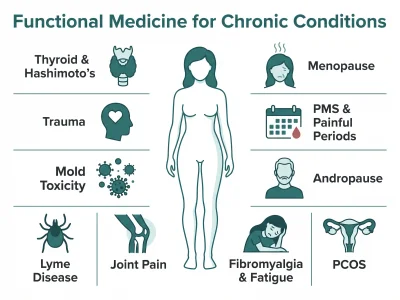
Functional Medicine: Root Cause Medicine for Chronic Conditions
Functional medicine starts with one question: why are you ill? Instead of matching a symptom to a prescription, it looks for the underlying reasons behind your condition, including genetics and the things that keep you feeling poorly, such as poor nutrition, stress, toxin and allergen exposure and impaired gut health. That is why people often call it root cause medicine.
Your plan then focuses on what you can change, including nutrition, exercise, sleep and your mental and emotional health. Food is a core first step, alongside medicines and other treatments when you need them.
How Integrative Medicine Works at Renew
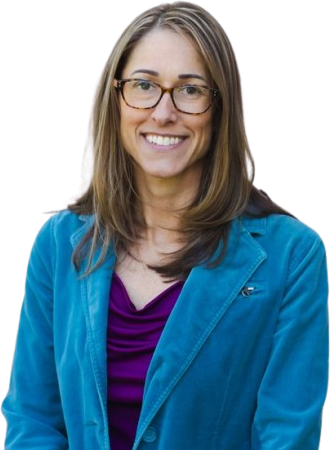
Integrative health brings conventional and complementary approaches together in a coordinated way, often combining two or more approaches at once. At Renew Integrative Health, our holistic medicine practitioner, Andrea Dean, CRNP, combines both: standard lab testing and prescription treatment where they fit, plus nutrition and lifestyle changes and therapies such as IV nutrient therapy and bioidentical hormone therapy when they make sense for you.
Functional Medicine for Thyroid and Autoimmune Conditions
Your thyroid is a small, butterfly-shaped gland in the front of your neck, and the hormones it makes control how your body uses energy, so a thyroid problem can affect nearly every organ. Hashimoto’s disease is an autoimmune disorder and the most common cause of hypothyroidism, which affects about 5 in 100 Americans, and it is 4 to 10 times more common in women than men. Care depends on whether your thyroid is damaged enough to cause hypothyroidism. If it is not, regular checks of your symptoms and thyroid hormone levels may be all you need for now.
Hashimoto's
Hashimoto’s disease is an autoimmune disorder in which the immune system attacks the thyroid. It is the most common cause of an underactive thyroid and, rarely, can cause an overactive one.
Hypothyroidism & Hyperthyroidism
Hypothyroidism means your thyroid does not make enough thyroid hormone, and hyperthyroidism means it makes too much. Thyroid hormones control how your body uses energy, so they affect nearly every organ.
Hormone Health: Menopause, Women’s Health and Andropause
Hormones shape your health at every stage of life, and a hormone imbalance can look very different from one person to the next. Most women begin the menopausal transition between ages 45 and 55, often with changes in their cycle and hot flashes, and the average age of menopause is 52. Over 90% of women get some premenstrual symptoms, while fewer than 5% develop a more severe form called premenstrual dysphoric disorder (PMDD). Most women with PCOS find out in their 20s and 30s. For men, testosterone declines gradually with age. Our bioidentical hormone therapy page covers hormone treatment options, benefits and risks.
Menopause
Menopause is the point when you have gone 12 months without a period. The average age is 52 in the United States, and the transition, often with hot flashes and cycle changes, can last several years.
PMS
PMS is a combination of symptoms many women get a week or two before their period, such as bloating, headaches and moodiness. For some women, symptoms are severe enough to miss work or school.
Dysmenorrhea - Painful Periods
Primary dysmenorrhea is period pain thought to be driven by prostaglandins, with no other disease behind it. Secondary dysmenorrhea develops later and is often linked to conditions such as endometriosis or fibroids.
PCOS - Polycystic Ovary Syndrome
PCOS affects 1 in 10 women of childbearing age. It involves a hormone imbalance with higher androgen levels, irregular periods and metabolism problems, and it is one of the most common causes of infertility.
Andropause
Andropause is a name some people use for the gradual drop in testosterone as men age. It is a slow decline rather than a sudden change, and it may bring a lower sex drive or erection problems.
Functional Medicine for Fibromyalgia, Chronic Fatigue and Joint Pain
Chronic pain and chronic fatigue are often hard to pin down, and many of these conditions have no single test. With fibromyalgia, the cause is not fully understood, but people with it have an increased sensitivity to pain, and it is more common in people with conditions such as rheumatoid arthritis, lupus, osteoarthritis, depression or anxiety. Up to 3.3 million people in the United States may have ME/CFS, and more than 9 in 10 of them have not been diagnosed. There is no known cure for ME/CFS, so care usually focuses on the symptoms that most affect your daily life.
Fibromyalgia & Chronic Fatigue Syndrome
Fibromyalgia causes pain and tenderness throughout the body, along with fatigue and trouble sleeping. ME/CFS causes severe fatigue that does not improve with rest and can get worse after activity.
Joint Pain
Joint pain can affect one joint or many. It may be linked to arthritis, bursitis or muscle pain, and causes range from injury and gout to autoimmune diseases such as rheumatoid arthritis and lupus.
Lyme Disease, Mold Toxicity and Trauma
Some chronic conditions start with something that happened to you: a tick bite, a water-damaged building or a deeply distressing event. Lyme disease is diagnosed from your symptoms, physical findings such as a rash and the chance you were exposed to ticks, and untreated infection can spread to the joints, heart and nervous system. Mold can cause allergic reactions in sensitive people, such as sneezing and a runny nose, and the key to mold control is moisture control. Trauma is a common experience for both adults and children. Getting your exposure history right is a big part of how we approach all three.
Lyme Disease
Lyme disease is a bacterial infection spread by the bite of infected blacklegged ticks, most common in the Northeast, mid-Atlantic and upper Midwest. Most cases are treated successfully with a few weeks of antibiotics.
Mold Toxicity
Molds produce allergens, irritants and, in some cases, potentially toxic substances called mycotoxins. Drying water-damaged areas within 24 to 48 hours helps keep mold from growing indoors.
Trauma
Trauma comes from an event or set of circumstances experienced as physically or emotionally harmful or life threatening, with lasting effects on your mental, physical, social, emotional or spiritual well-being.
What to Expect at Your First Visit
Before your first visit, you complete your medical history, diet log and current symptoms through our patient portal, along with the previous two years of medical testing. Your initial consultation includes an extensive history, including family history, and a physical examination.
From there, we build a plan around your goals. Depending on your condition, it may include lab testing, nutrition and lifestyle changes, prescription treatment and supportive therapies, with follow-up visits to adjust the plan as you go. We offer in-person visits at our Newark, Delaware office and virtual consultations across the United States.
Integrative and Functional Medicine FAQs
What Conditions Does Functional Medicine Treat?
Anyone facing a chronic condition may benefit from a functional medicine perspective. At Renew, we care for people with thyroid and autoimmune conditions, hormone changes, fibromyalgia, chronic fatigue and joint pain, Lyme disease, mold exposure and trauma, among others.
Can Functional Medicine Help Autoimmune Disease?
Functional medicine does not replace standard autoimmune care. It looks at the factors that can keep you feeling poorly, such as nutrition, stress, sleep and exposures, alongside the treatment your condition needs. For Hashimoto’s disease, that means regular thyroid checks, and thyroid hormone medicine if your thyroid is damaged enough to cause hypothyroidism.
Is Functional Medicine the Same as Integrative Medicine?
They overlap. Functional medicine focuses on finding the underlying reasons behind a chronic condition, while integrative health brings conventional and complementary approaches together in a coordinated way. Our practice uses both.
Do You Offer Virtual Visits?
Yes. Along with in-person visits at our Newark, Delaware office, we offer virtual consultations for patients across the United States.
Where Is Renew Integrative Health Located?
Our office is at 256 Chapman Road, Suite 106, Newark, DE 19702. You can call us at 302-444-4366 to book a visit.
Looking for integrative medicine in Newark, Delaware, or a virtual visit from anywhere in the United States? Our nurse practitioner can review your symptoms, history and lab work with you. Book your consultation below.